Proper ballast helps a tractor turn engine power into pull. Too much weight can increase fuel use and tire wear; too little can reduce traction, increase slippage and affect stability.
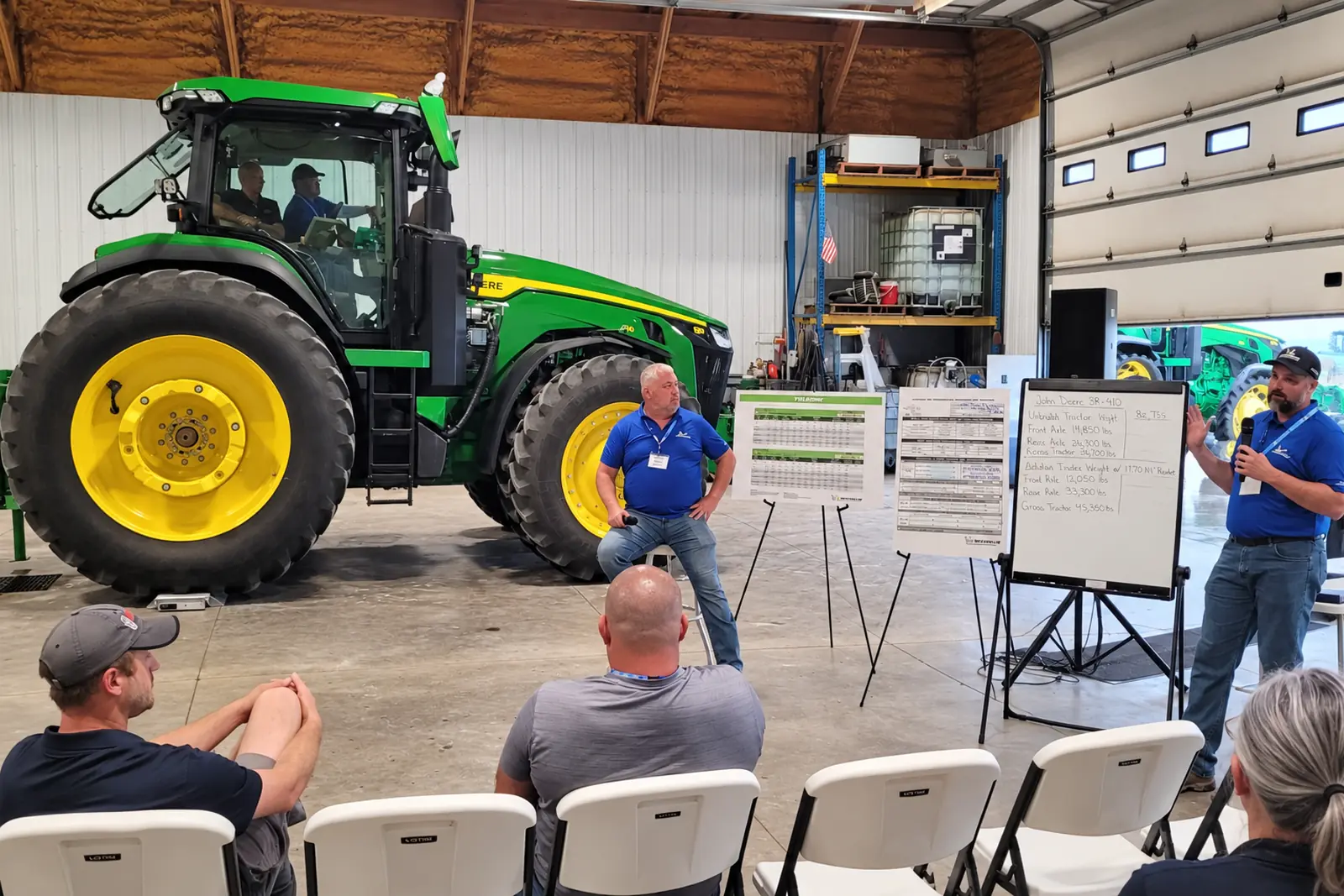
Clemson University and Michelin North America developed the Wheeled Tractor Ballast Calculator from an engineering worksheet that Michelin Agriculture shares with its dealers and customers. At dealer meetings and continuing-education sessions, participants use the worksheet to work through the calculations needed to determine appropriate tractor ballast. The online tool translates that process into a practical resource for dealers, farmers and agricultural professionals.
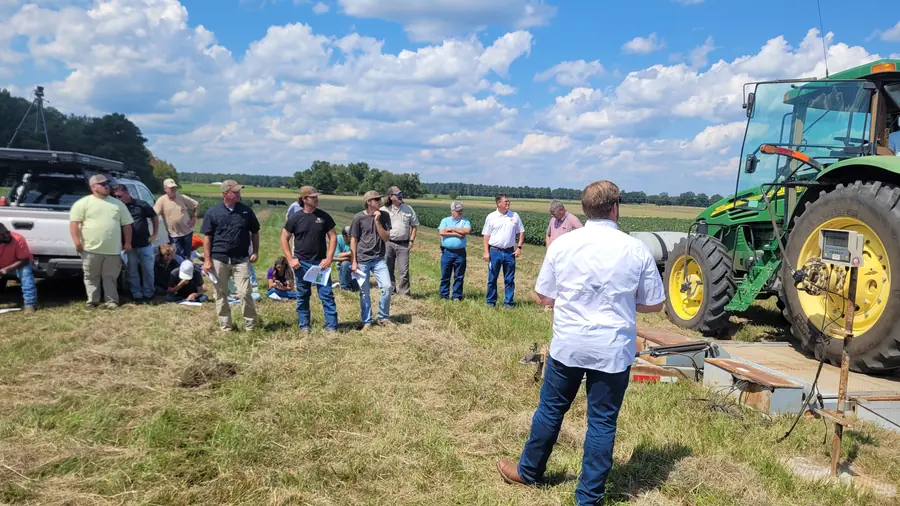
CU-CAT and Michelin Agriculture have also demonstrated the calculator in outreach settings. At the 2025 Edisto REC Fall Field Day, representatives presented it alongside Michelin AgroPressure, Michelin’s agricultural tire-pressure calculator. The tools address related parts of tractor setup: ballast and recommended tire pressure.
Users select a tractor drive configuration, enter engine or PTO power, field working speed (4–7 mph range) and scale weights, then receive target total and axle weights. The calculator shows how much weight may need to be added or removed at each axle, helping users consider both total tractor weight and front-to-rear distribution.
Once a calculation is complete, users can print or save a PDF that records the scenario and results. The tool can also share a result summary and a 90-day link that refills the same calculator inputs for the recipient to review and calculate. Customer and equipment details entered for the report are not included in the shared link.
The calculator supports two-wheel-drive, mechanical-front-wheel-assist and four-wheel-drive tractors, with standard and metric units. Its results are intended to support ballast decisions alongside tire manufacturers’ load and inflation guidance. It does not account for implement weight, hitch draft, tire size or track-equipped machines.