
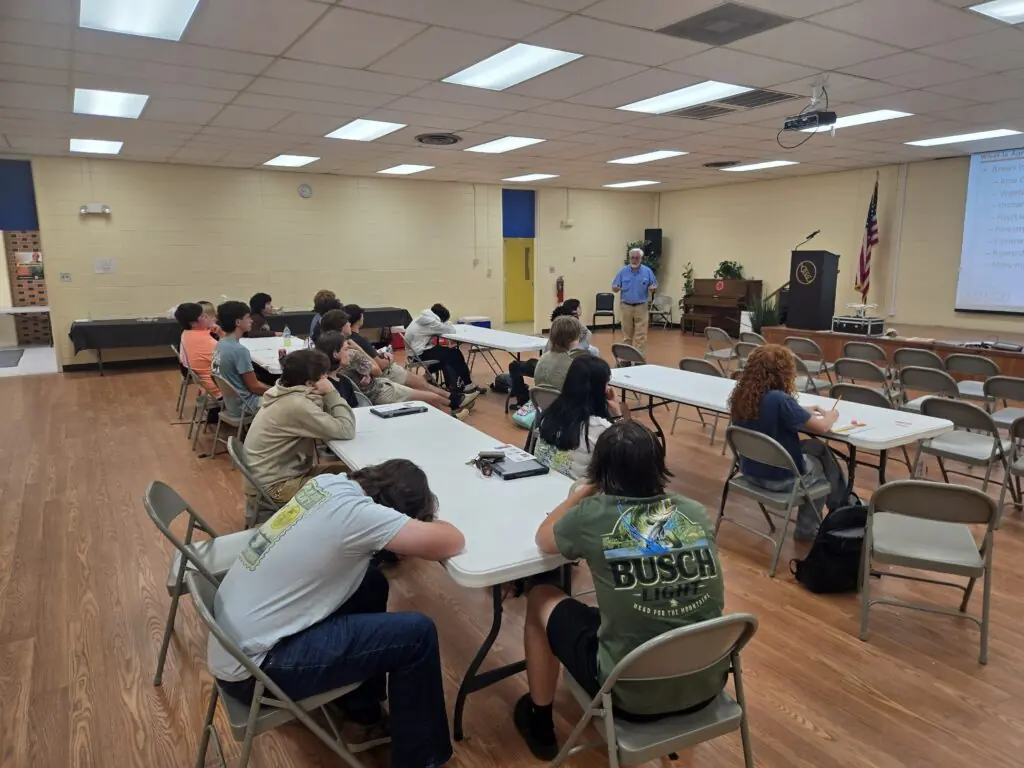
The future of agriculture depends largely on the next generation of professionals who are ready to combine agricultural knowledge with science, technology, and innovation.
The Clemson University Center for Agricultural Technology (CU-CAT) recently collaborated with the Barnwell County Career Center to introduce students to the many opportunities available in agriculture and highlight how technology is shaping the industry. Through conversations about agriculture, precision technology, research, and career pathways, CU-CAT helped students explore the many ways they can contribute to the future of agriculture.
Agriculture Today: More Than Farming
Agriculture is a diverse industry that extends far beyond traditional farming. While farmers and producers remain at the center of agriculture, the industry also includes opportunities in research, technology, engineering, education, business, environmental management, and many other fields.
During the discussion with Barnwell County Career Center students, Ben Fogle and Fleming McMaster with CU-CAT highlighted the many areas that make up agriculture, including row crops, vegetables, orchards, livestock, forestry, fisheries, and agricultural research. Each area relies on skilled professionals working to improve production systems and support agricultural communities.
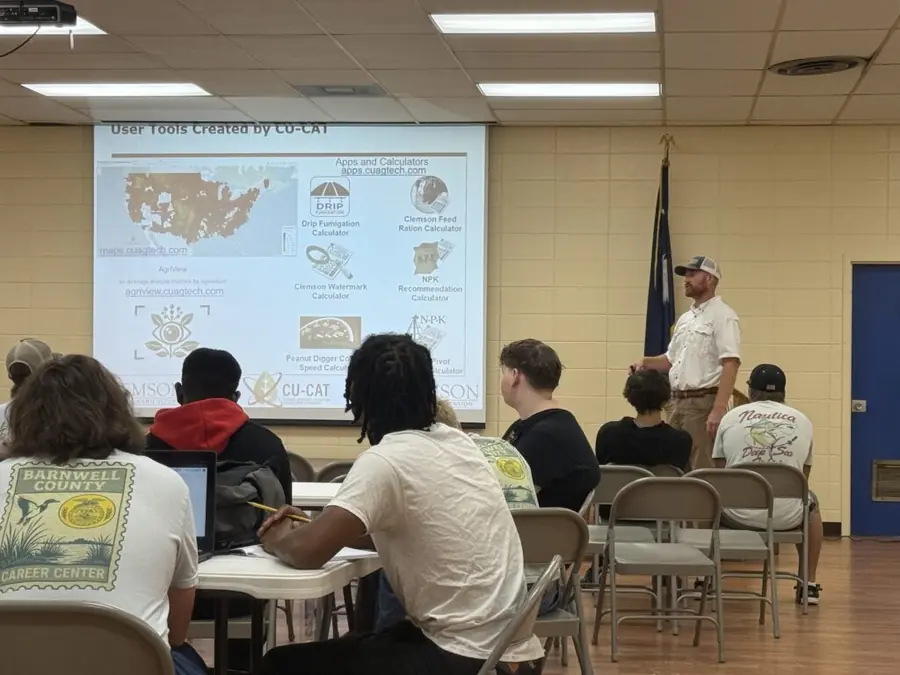
Exploring Technology’s Role in Modern Agriculture
One focus of the conversation was precision agriculture and how technology is helping researchers and producers better understand and manage fields.
Precision agriculture uses tools such as GPS, Geographic Information Systems (GIS), sensors, and variable-rate equipment to collect information and support field management decisions.
At CU-CAT and Clemson’s Edisto Research and Education Center, researchers use these technologies to study crops, analyze field conditions, and develop tools that support agricultural decision-making. Students learned how technologies such as crop sensors, aerial imagery, weather stations, and yield mapping systems are being used in real agricultural research.
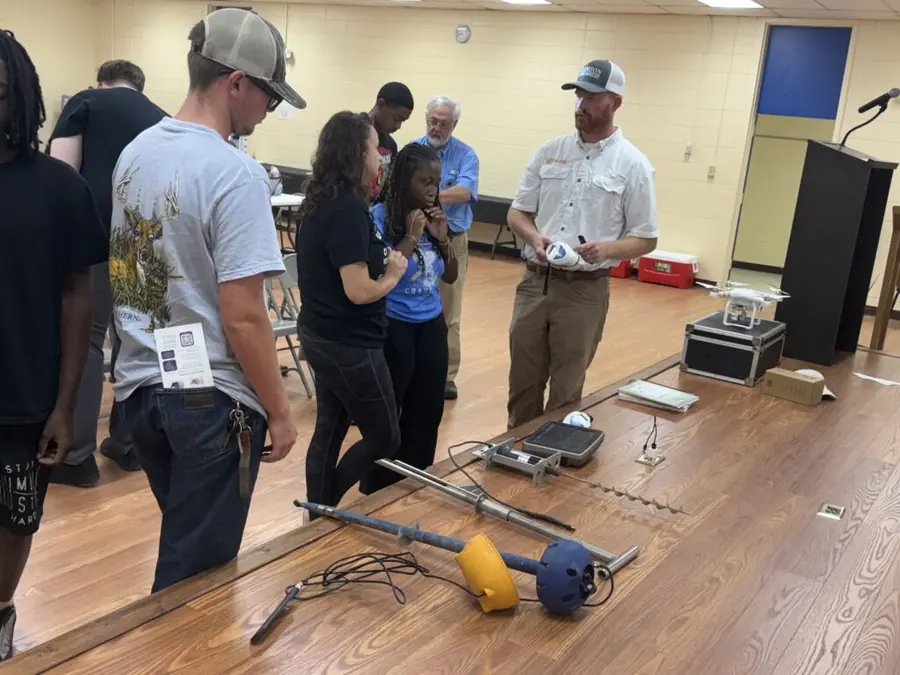
Showing Students the Connection Between Data and the Field
Agricultural technology is not just about collecting data—it is about using information to answer questions and solve challenges in the field.
CU-CAT shared examples of how researchers use imagery, sensors, and data analysis to evaluate crop health, study nutrient management, and estimate yields in crops such as cotton and peanuts. These projects demonstrate how agriculture continues to bring together hands-on field experience and modern technology.
By introducing students to these tools and research efforts, CU-CAT helped show how careers in agriculture can involve computers, engineering, science, and problem-solving while still staying connected to the needs of farmers and producers.
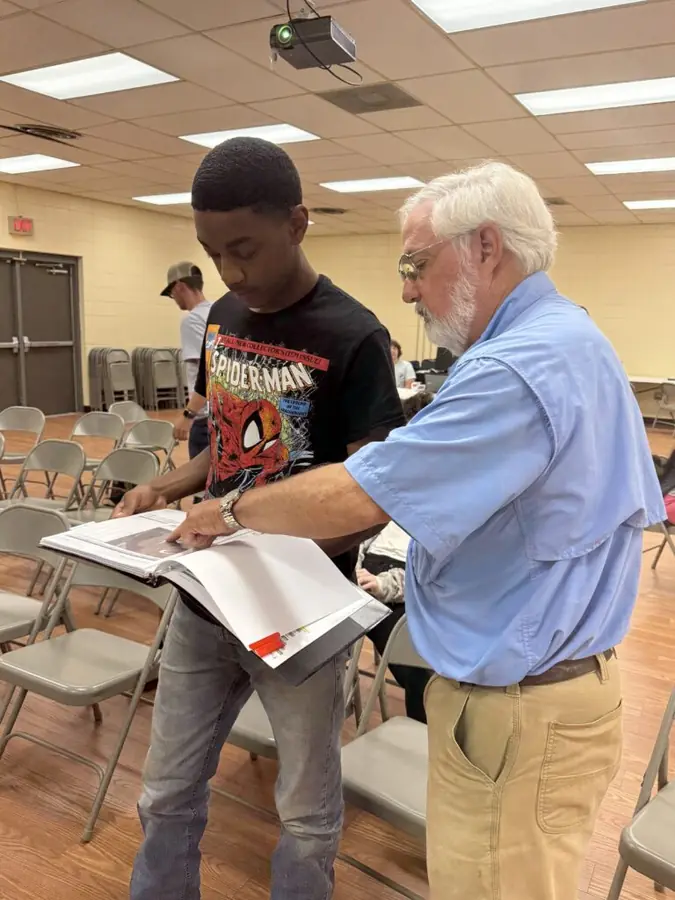
Building Awareness of Agricultural Career Opportunities
A major part of the conversation focused on helping students understand the wide range of careers available in agriculture.
Career opportunities discussed included:
- Farming and ranching
- Equipment sales, service, and support
- Agricultural manufacturing and engineering
- Seed and chemical industry careers
- University research
- USDA careers
- Agronomy and crop consulting
- Agriculture education
- Agricultural finance
- Forestry and environmental management
These pathways show students that agriculture offers opportunities for many different interests and skill sets. Whether a student enjoys working outdoors, analyzing data, designing technology, conducting research, or working with people, there are many ways to build a career connected to agriculture.
Investing in the Next Generation of Agriculture
Partnerships between organizations like CU-CAT and educational institutions like Barnwell County Career Center provide opportunities for students to learn about the evolving agricultural industry and the skills needed for future careers.
By sharing real examples of agricultural research, technology applications, and career possibilities, CU-CAT is helping students see the important role they can play in shaping the future of agriculture.
The next generation of agricultural professionals will help solve tomorrow’s challenges—and those careers begin with opportunities to learn, explore, and connect with the people advancing agriculture today.